FAQ – Plastic Slatted Goat Flooring in Nandyala
Q1. What is plastic slatted goat flooring?
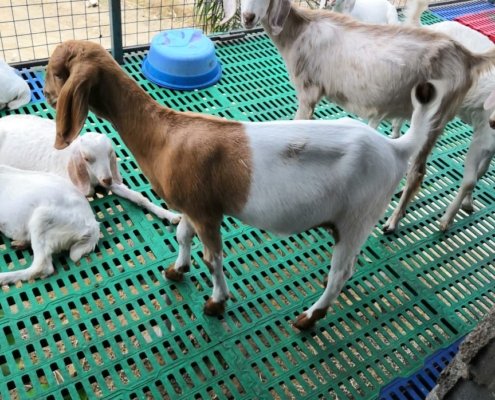
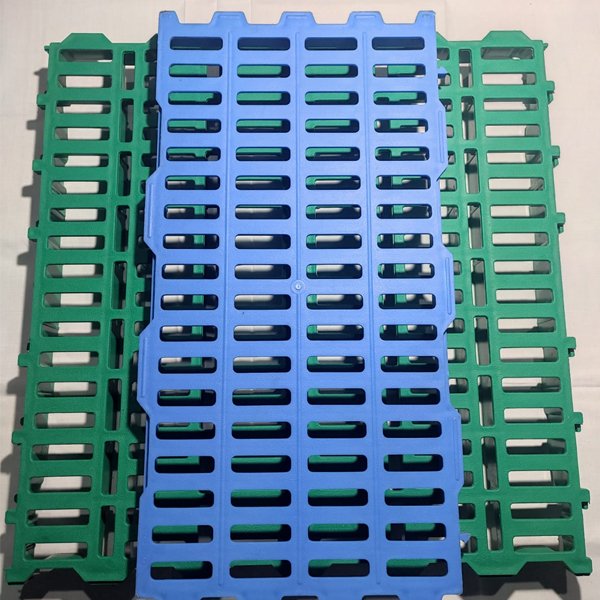
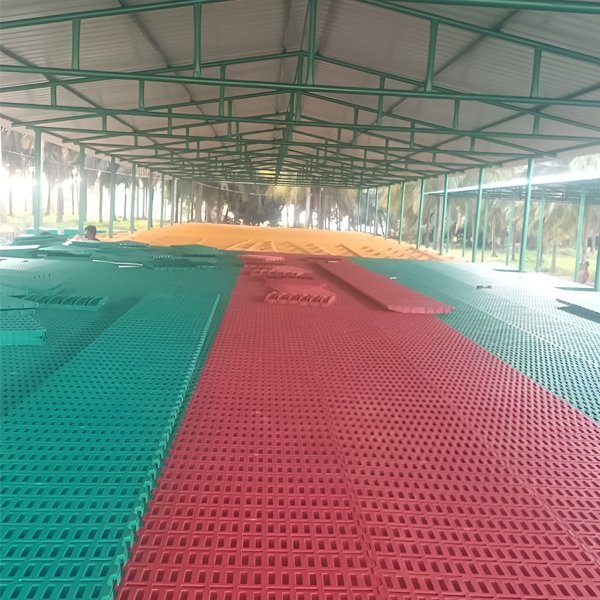
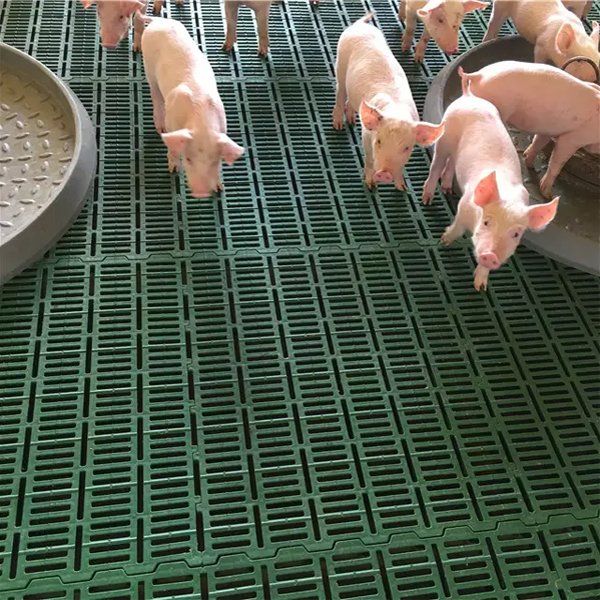
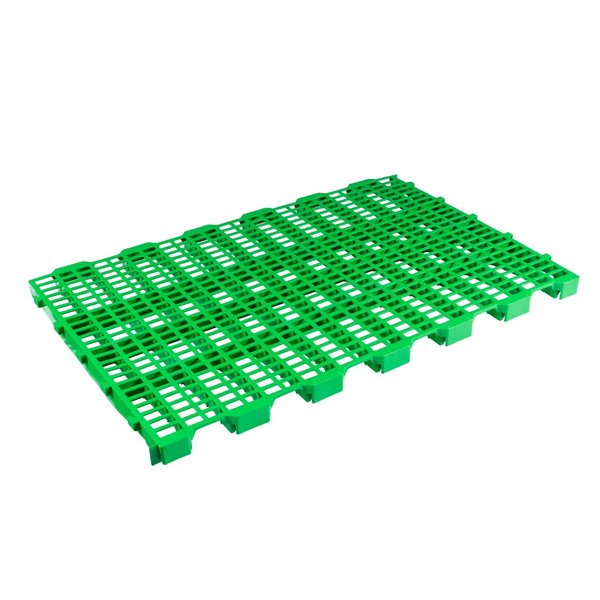
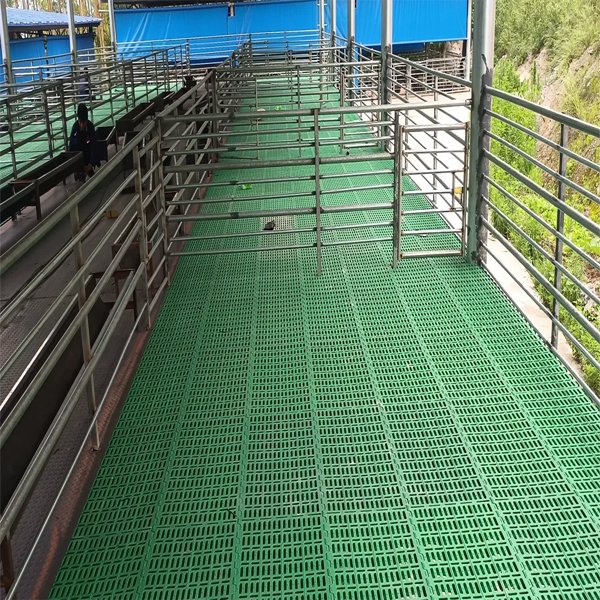
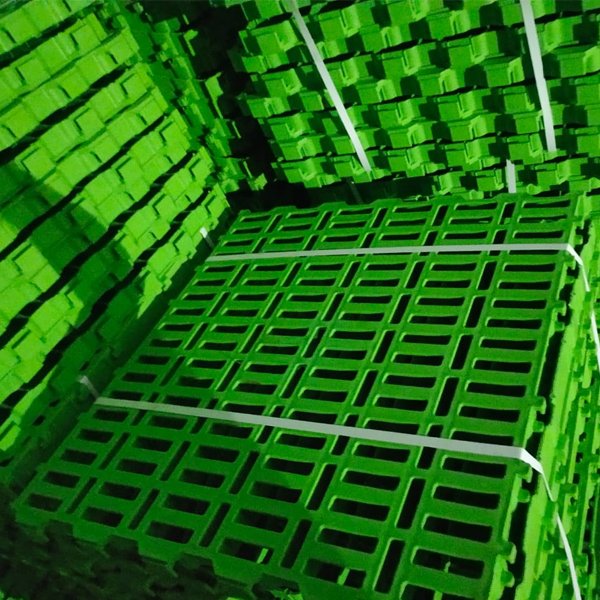
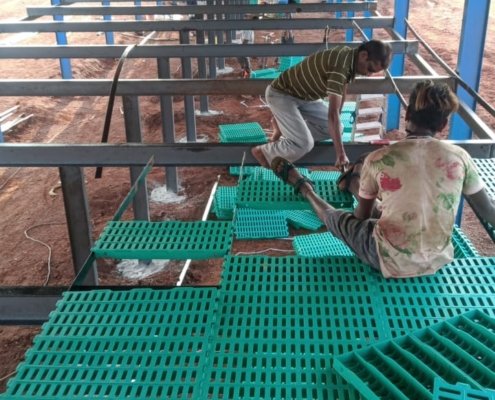
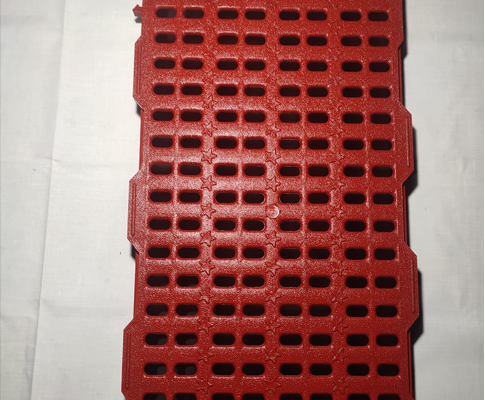
Plastic slatted goat flooring is a modular flooring system made from PVC or polypropylene panels with slots that allow waste and liquids to pass through, keeping the surface clean and dry.
Q2. Why is slatted flooring used in goat farms?
It helps maintain hygiene, reduces moisture, prevents disease, and minimizes manual cleaning, making goat farming more efficient.
Q3. Is plastic slatted flooring safe for goats?
Yes, it is designed with an anti-slip surface and appropriate gap sizes to ensure safety and comfort for goats of all ages.
Q4. What material is used for goat slatted flooring?
It is usually made from high-quality PVC or polypropylene (PP), which are durable, non-toxic, and resistant to moisture and chemicals
Q5. What is the ideal gap size for goat flooring?
The gap size typically ranges from 10 mm to 20 mm, depending on the size and age of the goats.
Q6. Can plastic slatted flooring support heavy weight?
Yes, it is designed to handle loads of around 150–300 kg per panel, suitable for adult goats.
Q7. How long does plastic goat flooring last?
With proper maintenance, it can last several years due to its strong and durable construction.
Q8. Is installation complicated?
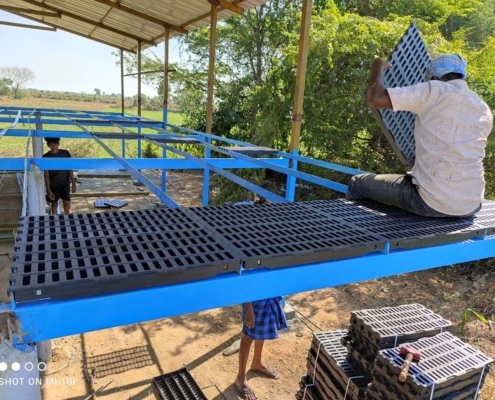
No, the flooring comes with an interlocking design that makes installation quick and easy.
Q9. Can this flooring be used for other animals?
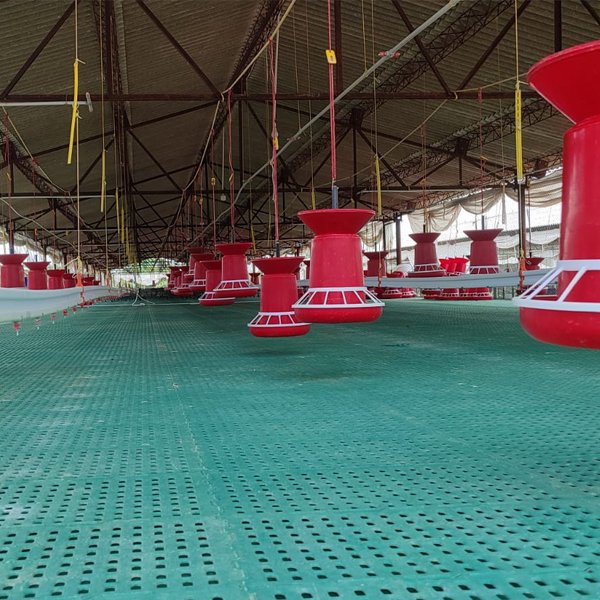
Yes, it is also suitable for sheep, poultry, and other livestock farming applications.
Q10. How do you clean plastic slatted flooring?
It can be cleaned using water spray, and waste is easily removed from below the panels.
Q11. What is the cost of plastic slatted goat flooring?
The cost depends on material quality, thickness, and quantity required. Prices vary based on customization and supplier.
Q12. Is plastic flooring better than concrete for goat farms?
Yes, plastic slatted flooring offers better hygiene, drainage, comfort, and lower disease risk compared to concrete floors.