FAQ – Plastic Slatted Flooring for Pigs
Q1. What is plastic slatted flooring for pigs?
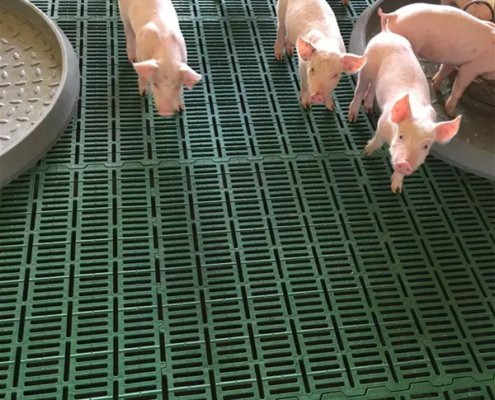
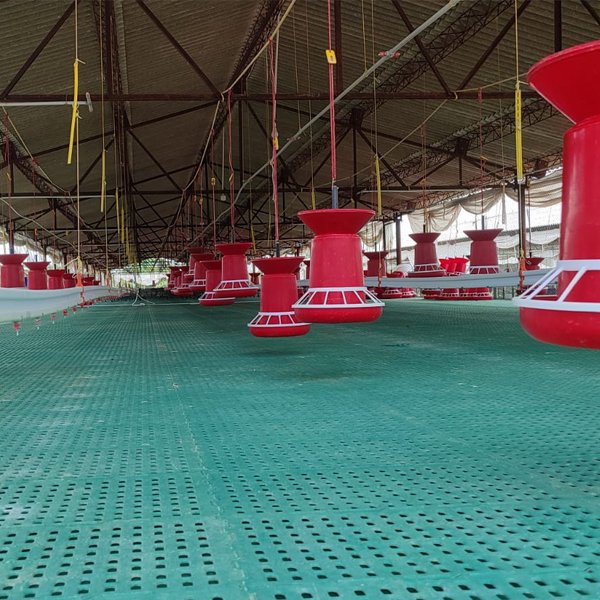
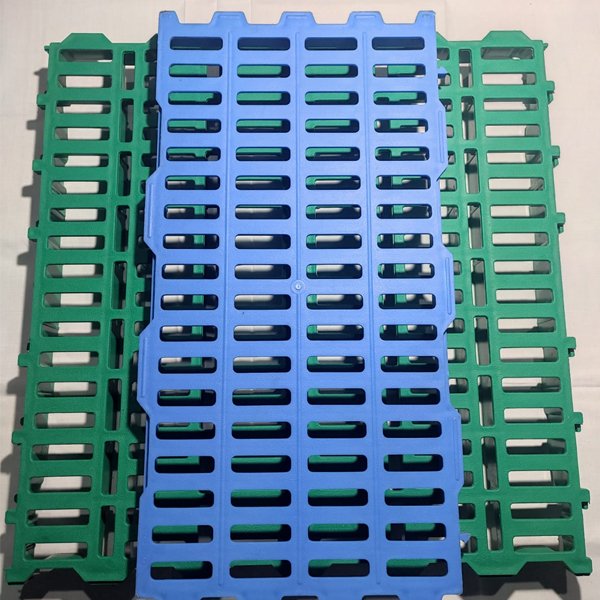
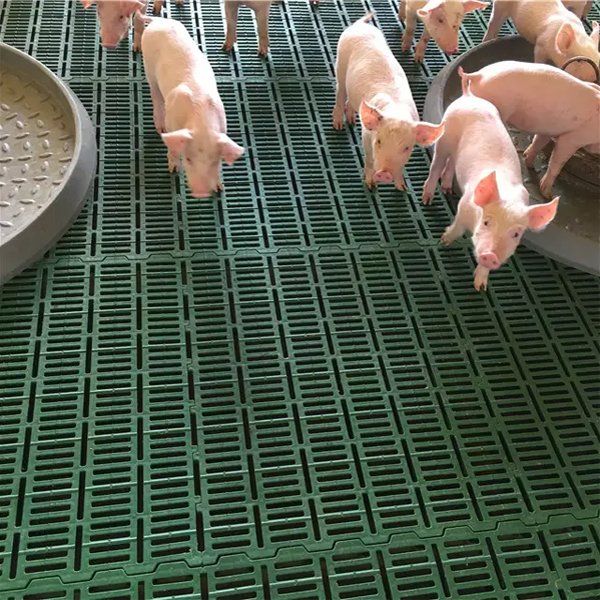
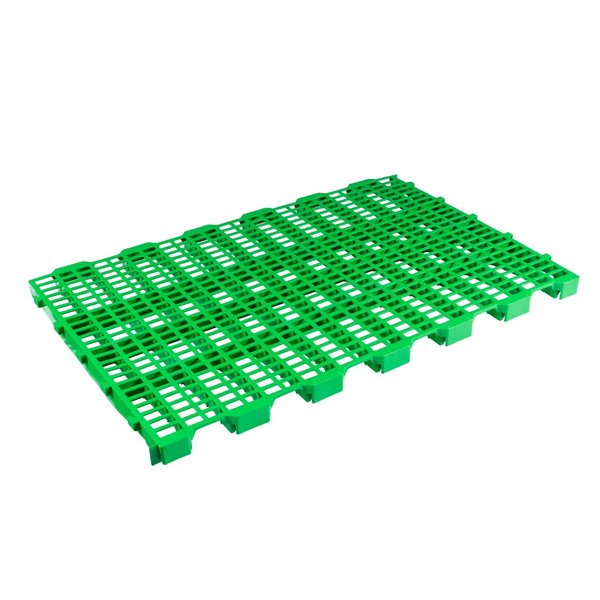
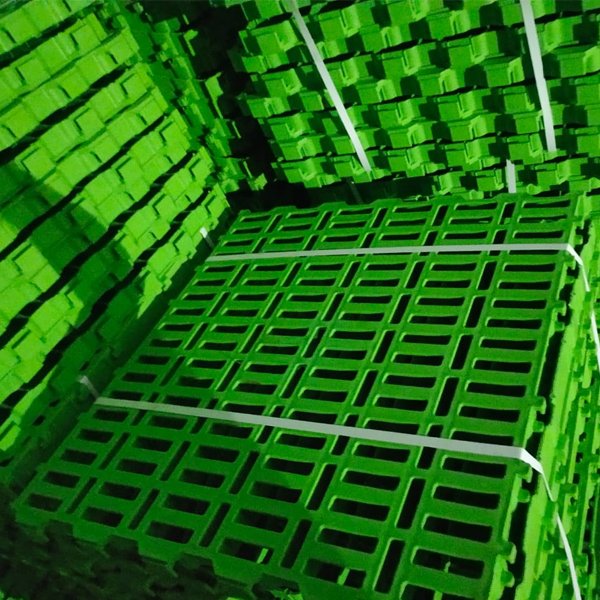
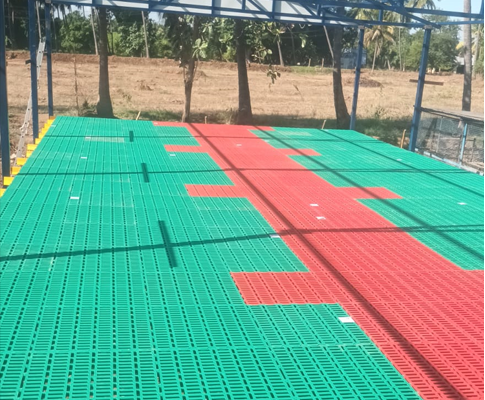
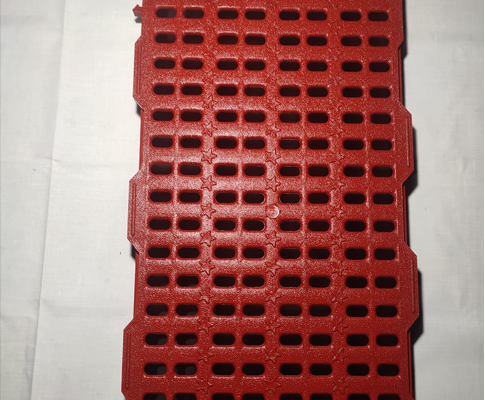
Plastic slatted flooring is a modular flooring system made from high-strength polypropylene (PP) or PVC with slotted openings that allow waste and liquids to pass through, keeping pig housing clean and dry.
Q2. Why is slatted flooring used in pig farms?
It improves hygiene, reduces ammonia and odour, prevents disease spread, and minimizes manual cleaning work in pig farming.
Q3. Is plastic pig flooring safe for animals?
Yes, it is designed with anti-slip surfaces and smooth edges to ensure safety for piglets, growers, and adult pigs.
Q4. What materials are used in pig slatted flooring?
High-quality polypropylene (PP) and PVC are used because they are strong, non-toxic, waterproof, and long-lasting.
Q5. What is the load capacity of plastic pig flooring?
Depending on the design, each panel can support approximately 200 kg to 500 kg, suitable for all pig categories.
Q6. What is the ideal gap size in pig flooring?
Gap size typically ranges from 10 mm to 25 mm depending on whether it is used for piglets, growers, or adult pigs.
Q7. How long does plastic slatted flooring last?
With proper maintenance, it can last several years due to its durability and resistance to moisture and chemicals.
Q8. Is installation of pig flooring complicated?
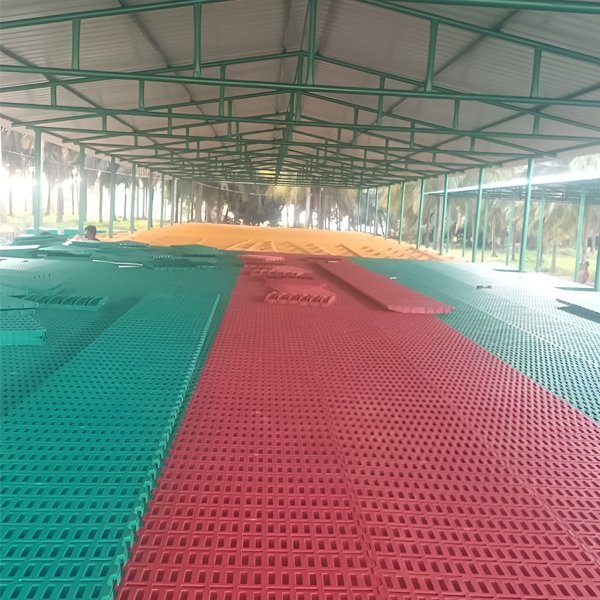
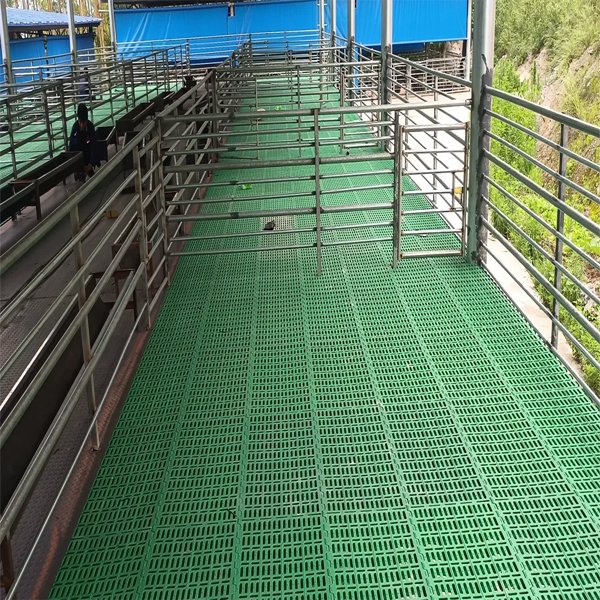
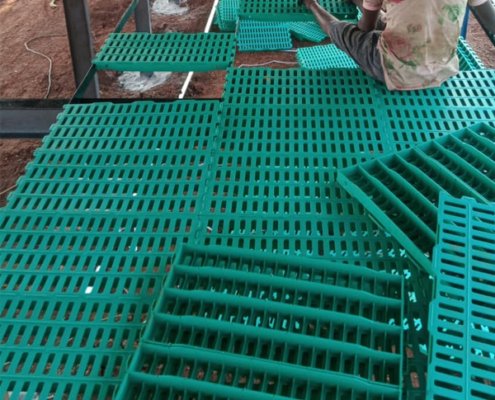
No, it uses an interlocking modular system that allows quick and easy installation.
Q9. Can plastic flooring be used for piglets?
Yes, special piglet flooring with smaller gaps is available to ensure safety and prevent injuries.
Q10. How do you clean plastic slatted pig flooring?
It can be cleaned easily using water jets, and waste below the floor can be removed regularly.
Q11. Is plastic flooring better than concrete for pig farming?
Yes, it offers better hygiene, drainage, comfort, and reduces disease risk compared to concrete flooring.
Q12. What is the cost of plastic slatted flooring for pigs?
The cost varies based on size, thickness, load capacity, and customization requirements.